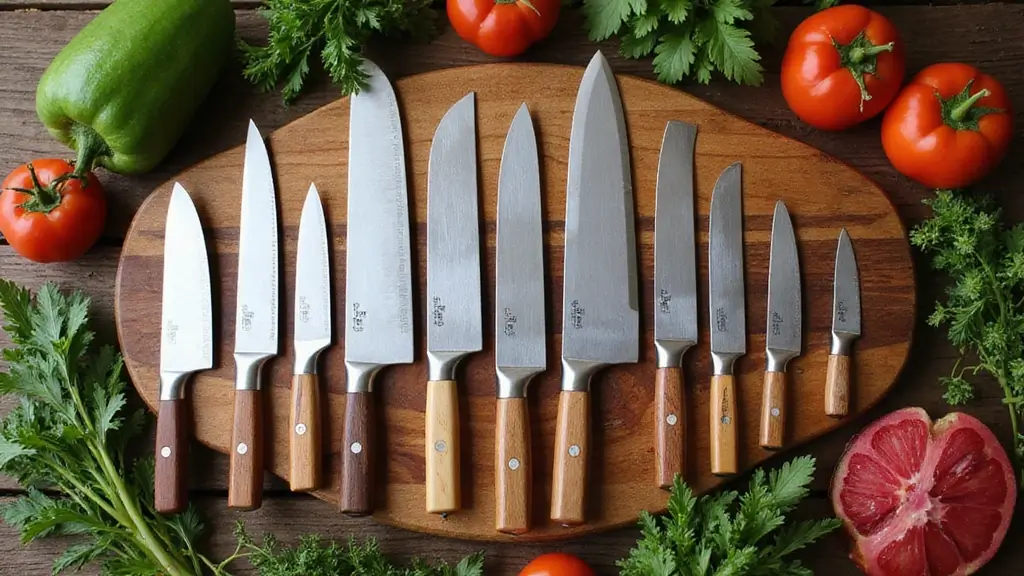
I put this together because I want you to enjoy prep work again. A sharp knife makes you faster and safer. This post breaks down the gear you need so your kitchen feels easy. No hype, just clear advice for home cooks who want real results.
If you cook at home and care about meals that pop, this is for you. You want blades that glide through onions, tomatoes, and meat without tearing the food. You want tools that fit your space and your budget. You want to feel confident when you slice, dice, and trim.
Here are 10 knives that are durable and versatile. Each one has a real job in the kitchen. From the big chef knife to the tiny paring knife, these blades cut clean and feel balanced in your hand. Number 4 will surprise you. It is a small tool that makes a big difference for fine work. You’ll see a chef knife, a paring knife, a serrated bread knife, a utility knife, a santoku, a boning knife, a carving knife, a fillet knife, a nakiri, and a cleaver.
Blade material and handle style change how fast you work. A stainless steel blade stays ready for daily use. A high carbon blade keeps a sharp edge longer but needs care. Handles come in wood, plastic, or composite to fit your grip. The right mix makes slicing smooth and safe.
Care and use matter. Keep blades sharp with a stone or steel. Wash by hand and dry right away. Use a proper grip and cut away from your body. Store in a sheath or on a magnetic strip to guard the edge. With the right care, these knives will live in your kitchen for years.
This guide gives you a plan for real life cooking. Pick one knife to upgrade first. Try it on onions, tomatoes, and chicken. Notice how your speed and results improve. You will gain kitchen skills and confidence as you go.
Contents
- 1. The Classic French Chef Knife
- 2. The Santoku Knife
- 3. The Paring Knife
- 4. The Cleaver
- 5. The Bread Knife
- 6. The Fillet Knife
- 7. The Utility Knife
- 8. The Nakiri Knife
- 9. The Cheese Knife
- 10. The Steak Knife
1. The Classic French Chef Knife

You want one knife that can do most prep work. The French chef knife is that blade. It handles chopping, dicing, and mincing with ease. The blade is wide enough to guide food off the board. This helps you rock the knife smoothly while keeping control.
Key Features:
– Blade Length: typically 8 to 10 inches.
– Weight: sturdy in your hand but balanced for quick moves.
– Material: high-carbon stainless steel for durability and edge retention.
Here is why it matters: a well-balanced knife reduces fatigue. A comfortable grip keeps your hand from cramping. Look for a full tang that runs the full length of the handle. A smooth, secure grip means you can work longer without slips.
Next steps: pick a model with a handle that fits your hand. Check the balance by holding it mid-shaft; you should feel the knife tilt slightly toward the blade. Test it on onions, carrots, and herbs. You want to feel confident with small, fast cuts and big, clean chops.
Let’s break it down: for most home cooks, this blade replaces three or more tools. Start here, then add specialized knives as you grow. Keep it sharp with a quick honing after use and wash by hand to protect the edge.
1. The Classic French Chef Knife
Editor’s Choice


2. The Santoku Knife

If you want one knife that can do many jobs, the Santoku is a smart pick.
It is a Japanese blade built for precision.
You get clean slices.
You get neat dices.
You get quick mincing in one tool.
Why you’ll love it:
– Granton Edge: little hollow spots along the blade keep food from sticking as you cut.
– Handy size: about 7 inches, light and easy to control.
– Veggie friendly: the flat blade lets you slice herbs, cucumbers, and carrots into even pieces.
This knife shines in everyday prep. It handles delicate jobs like slicing fish or adding fine garnishes with care. The balance lets you move from rough prep to fine detail without swapping tools.
Tips for getting the most from your Santoku
– Use a light rocking or chopping motion to keep slices uniform.
– Keep the blade sharp and wash by hand to seal the edge.
– Let the blade do the work and follow the food’s grain.
Next steps: try it on onions, garlic, herbs, and fish. With practice, this knife becomes a steady helper in your kitchen.
2. The Santoku Knife
Editor’s Choice

HENCKELS Forged Accent Razor-Sharp 2-pc Knife Set, Santoku Knife 5 Inch,…
 AmazonCheck Price
4-in-1 Kitchen Knife Accessories: 3-Stage Knife Sharpener Helps Repair, …
Amazon$15.99
Titanium Cutting Board for Kitchen, Cutting Board Double Sided Food Grad…
Amazon$29.993. The Paring Knife

Your prep work can stall on small tasks. The paring knife is a slim, 3 to 4 inch blade that gives you control where a bigger knife feels clumsy.
What it is
This knife is all about precision. A short blade lets you guide cuts exactly where you want them.
Why you need it
It makes tiny tasks fast and clean. You get smooth peels, neat trims, and perfect edges that big blades miss.
Top uses
– Peeling and trimming: great for apples, potatoes, and citrus rind.
– Core and seed work: remove cores from fruit or seeds from peppers with a light, steady touch.
– Garnishes and shaping: carve small decorations or fine curls to dress a plate.
Materials and edge options
Most paring knives use high carbon stainless steel. They hold an edge well and don’t rust easily. Handles range from plastic to wood or composite. Pick a grip that feels balanced in your hand and a blade that stays sharp longer.
How to use
1) Peel with a light, steady pull while your guiding hand steadies the fruit. Let the knife do the work, not your wrist.
2) Core or seed in a shallow cut around the core, then lift it out with a clean motion.
3) Create small garnishes by trimming thin shapes from fruits or vegetables and turning them into simple decorations.
Care and maintenance
Wash by hand and dry right away. Keep the edge true with a small honing rod or a gentle whetstone every so often.
Safety tips
Grip the blade near the handle with your thumb and forefinger pinching the spine. Let your other fingers rest on the handle for control. Cut away from your body and keep your knuckles turned back from the blade.
Limitations
This knife shines in detail work, not big chopping. For bulk slicing, switch to a larger knife.
Next steps
Practice on a few common items like apples, carrots, and citrus. You’ll see how much sharper and neater your prep becomes.
A paring knife is the secret weapon for precision in the kitchen. With its nimble blade, you’ll conquer small tasks and elevate your culinary skills like never before!
3. The Paring Knife
Editor’s Choice

Swiss Classic 2 Piece Paring Knife Set Straight Edge Pointed Tip – Black
Amazon$14.99

Good Grips 3.5 Inch Paring Knife, Black/Silver, 3-1/2-Inch
Amazon$12.964. The Cleaver

Many home cooks skip the cleaver. It looks big and scary at first. But this chef knife handles jobs other blades miss.
Here is why you should keep a cleaver in your kitchen.
What you gain
– A strong blade that cuts through bones and hard vegetables like squash with steady, clean strokes.
– A weight that helps you push down without extra effort from your hands.
– A simple tool for big chunks of meat, stir-fries, and soups.
How to use it
– Grip the handle firmly and guide the broad edge with short, controlled chops.
– Move the blade in a straight line and let mass do the work.
– Use the tip to chop smaller pieces or to pry apart joints.
Materials and care
– Stainless steel blades resist rust and stay sharp longer.
– Carbon steel holds a sharper edge but needs drying after washing.
– Hand wash, dry right away, and store with a sheath or on a magnetic strip.
– Sharpen the edge every few months with a proper stone or pull-stone if you notice dull spots.
Next steps
– Start with a carrot, a potato, or a small squash. Practice with a chicken leg or a pork chop to feel the weight.
– Compare it to a chef knife you already own. Notice how the cleaver handles big cuts.
Don’t be intimidated by the cleaver – it’s your new best friend in the kitchen! With its power to tackle bones and hard veggies, mastering meals has never been so easy.
4. The Cleaver
Editor’s Choice
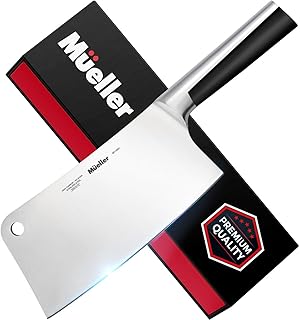
7-inch Butcher Knife Meat Cleaver, Heavy Duty Bone Chopper, Durable, Pre…
Amazon$23.87
imarku Cleaver Knife 7 Inch Meat Cleaver – SUS440A Japan High Carbon Sta…
Amazon$45.99
Intelitopia Complete Knife Sharpening Stone Set – Dual Grit Whetstone 40…
Amazon$26.985. The Bread Knife

You love bread, but slicing crusty loaves can ruin the crumb. A bread knife with a serrated edge cuts cleanly and keeps the soft inside intact. With the right knife, your home bread looks bakery-perfect.
Features:
– Serrated blade that cuts crusts without squashing the crumb.
– Length of 8 to 10 inches for long, steady slices.
– Works on many baked goods, not just bread, like cakes and pastries.
A dedicated bread knife saves you from torn crusts and crumb mess. It makes daily baking easier and fun.
Here is how you use it well:
– Let the loaf cool. Warm bread tears, cool bread slices neatly.
– Place the loaf on a steady board and grip the handle firmly.
– Use a light saw motion. Let the teeth do the work.
– Keep the blade level as you cut from crust to crumb.
– Wipe the blade clean and dry it after use.
Care and tips:
– Hand wash and dry right away. The dishwasher can dull the edge.
– Store with a blade guard or in a sheath to prevent nicks.
– If the edge dulls, consider professional sharpening instead of home hacks.
Now you can slice baguettes, sourdough, and soft loaves with ease. Grab your bread knife and practice the saw to hear that crisp crust crack. Your mornings will thank you.
5. The Bread Knife
Editor’s Choice


Fibrox 10.25-Inch Bread Knife with Serrated Edge and Black Handle
Amazon$40.99You might also like


6. The Fillet Knife

You want clean, professional fillets at home. A fillet knife makes that easier. Its thin, flexible blade glides along bones and skin. You feel in control with every precise cut, and you waste less meat.
Here is why
– Flexibility: The bend lets you follow curves without tearing the flesh.
– Length: Most are 6 to 9 inches long, a sweet spot for smooth, accurate work.
– All-purpose for fish: It works well on salmon, trout, snapper, and more. It also handles small meat trims with ease.
With a fillet knife, you can present fish like a pro, right in your own kitchen.
What to look for
– Blade material: Stainless steel resists rust and is easy to care for; some models use high-carbon steel for a sharper edge.
– Blade flexibility: A soft bend helps you trace bones without a rough touch.
– Weight and balance: A light, well-balanced knife feels natural in your hand.
– Handle grip: Choose a secure, comfortable grip that stays dry in wet kitchens.
– Maintenance: Pick a knife you can wash by hand and dry quickly to prevent rust.
Next, think about how you will use it and how to care for it after you cook.
How to use it
– Start dry: Pat the fish dry so the knife can grip the flesh.
– Grip: Hold the knife with a relaxed wrist and a firm, comfortable grip.
– Follow the bone: Begin around the gill area and slice along the backbone, keeping the blade close to the bone.
– Move to the skin: If needed, switch to skin-first cuts to remove the fillet cleanly.
– Trim: Snip away dark meat or pin bones with small, careful strokes.
– Clean and store: Rinse with water, dry thoroughly, and tuck the blade away safely.
Here are a few practical tips you can put to work tonight. Keep the blade cool, work slowly, and don’t rush the final pass. With practice, filleting becomes smoother and faster.
Next steps: pick a 6–9 inch fillet knife you like, practice on a simple fish, and watch your results improve in a week.
6. The Fillet Knife
Editor’s Choice
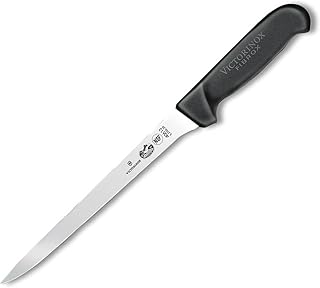


M23860 Millennia Black Handle, 8.5-Inch Narrow, Fillet Knife
Amazon$23.637. The Utility Knife

If you cook a lot, you know tiny jobs slow you down. A big chef knife is not suited for every task. The utility knife fits that gap. It helps you move faster without hunting for the right tool.
Why you need one:
– Compact Size: 4 to 6 inches. You can slice, trim, and scoop with precision.
– Versatility: Great for fruit, herbs, soft cheese, and quick sandwich prep.
– Easy to Handle: A short blade and lighter grip stay steady in your hand.
In practice, you will reach for it a lot. Use it to peel and slice strawberries, mince parsley, trim rind from citrus, shave cheese into thin slivers, or open a sandwich without crushing the bread.
Let’s break it down. Grip the knife like a pencil. Keep your fingers away from the blade. Let your wrist do the guiding, not your whole arm. Work on small, clean cuts. Pause to wash and dry the blade after use.
Choosing and caring for your knife:
– Look for a 4–6 inch blade in stainless or high‑carbon stainless steel. A sturdy, steel blade lasts longer.
– Pick a comfortable handle. Wood, resin, or composite grips all work if they feel balanced.
– Care is simple: hand wash, dry right away, and store on a magnetic strip or in a block. Hone the edge regularly; sharpen when it feels dull.
Limitations: this knife isn’t built for heavy chopping or large meat work. For big tasks, keep your chef knife handy.
Next steps: add a 4–6 inch utility knife to your set. Pair it with a reliable paring knife for a complete, nimble kit.
7. The Utility Knife
Editor’s Choice

WORKPRO Premium Utility Knife, Retractable All Metal Heavy Duty Box Cutt…
Amazon$8.99
HENCKELS Forged Accent Razor-Sharp 2-pc Paring Knife Set, German Enginee…
Amazon$34.99
4-in-1 Kitchen Knife Accessories: 3-Stage Knife Sharpener Helps Repair, …
Amazon$15.998. The Nakiri Knife

If you cook a lot of veggies, you want a knife that makes prep easy. The Nakiri can be the tool you reach for first.
What it is
The Nakiri is a Japanese vegetable knife with a flat, straight edge. It cuts straight down, not with a curved rocking motion. The blade usually runs about 6.5 to 7 inches, which is comfortable to handle for quick work.
Key features
– Straight Edge: A flat blade gives clean, even slices across the board.
– Blade Length: 6.5 to 7 inches keeps it nimble in small kitchens.
– Chop with Ease: You push and lift in a straight motion, not a sweep.
Here’s how you use it
Start with a firm cutting board. Grip the handle and keep your guiding hand steady. Slice cucumbers, carrots, and peppers into uniform strips or coins with long, deliberate strokes. For cabbage, use downstrokes to shred evenly. Herbs become neat piles when you press lightly and slice. Practice a few small batches to see how the knife loves thin cuts.
Why you’ll love it
It saves time and reduces waste. You waste less food because you control each slice. Colors stay bright in salads and stir-fries.
Caring for it
Wash by hand, dry soon after, and store in a dry place. Keep it away from bones or hard frozen items to protect the edge.
Choosing tips
Look for a balanced feel in your hand and a sturdy handle. Stainless steel blades resist rust, while high-carbon blades stay sharp longer. Forged blades are strong, but good stamped Nakiris work too.
Common questions
Yes, it excels at vegetables. It is not built for bones or tough, hard items. With care, it will be a go-to veggie knife for years.
Slice through veggies like a pro! The Nakiri knife’s flat, straight edge ensures each cut is precise and effortless – a true game-changer for every home cook in the kitchen.
8. The Nakiri Knife
Editor’s Choice

PAUDIN Nakiri Knife – 7″ Razor Sharp Meat Cleaver and Vegetable Kitchen …
Amazon$27.58![Bamboo Cutting Boards for Kitchen [Set of 3] Wood Cutting Board for Chop...](https://m.media-amazon.com/images/I/81gLwPfpWbL._AC_UL320_.jpg)
Bamboo Cutting Boards for Kitchen [Set of 3] Wood Cutting Board for Chop…
Amazon$13.99You Might Also Like

9. The Cheese Knife

If you host cheese nights, you want clean cuts and easy serving. A good cheese knife makes this simple. The right tool fits each cheese, so you waste less and your guests enjoy neat portions.
Here is why three shapes cover most needs.
Types of Cheese Knives:
– Soft Cheese Knife: A small blade with holes to stop sticking. It works well for Brie, Camembert, and fresh goat cheese.
– Hard Cheese Knife: A sturdy blade, either serrated or curved. It cuts aged cheddar, Parmesan, and Gouda blocks.
– Cheese Plane: A wide, flat blade that shaves thin slices. It shines on Swiss, Gruyere, and provolone.
Invest in two or three knives to cover most cheeses. A soft cheese knife handles spreadable cheeses, a hard cheese knife cuts blocks, and a cheese plane makes light, even slices.
Care and use: Wash by hand after use. Dry immediately. Store in a knife block or on a clean towel to prevent rust.
Serving tips: Keep soft cheeses on one board and hard cheeses on another to avoid flavor transfer. Labeling the boards helps guests pick the right knife.
Next steps: Decide how big your board will be, then buy this simple trio. You’ll serve cleaner cuts and save time during parties.
9. The Cheese Knife
Editor’s Choice

BOSKA Cheese Knife Soft Copenhagen Nr.1 – for Soft Cheeses – 230x25x13 mm
Amazon$11.99
Zyliss Cheese Knife – Slicer & Cutter for Block Cheese – Carving Knife f…
Amazon$12.95
10. The Steak Knife

You want a dinner that ends with a clean, easy slice. A quality steak knife makes that real. It cuts through cooked beef in a single smooth motion. You’ll see neat portions and less mess on the plate.
Here is why you need a steak knife in your kitchen:
– Serrated Edge: The small teeth grip tough spots. They slice through crust and grain without tearing the meat.
– Comfortable Handle: You should feel secure when you hold it. A balanced grip reduces slips and hand fatigue.
– Size and Balance: A 4 to 6 inch blade fits most cuts. It lets you glide the knife with control, not brute force.
Materials and care matter. Stainless steel blades resist rust and stay sharp longer. High-carbon stainless blades keep an edge longer but need a bit more care. Look for a full tang and strong rivets in the handle.
Taking proper care is easy. Hand wash after use. Dry right away. Store with the blade protected. That habit keeps your steak knife ready for the next meal.
Next steps: test a few options. Pick one with a good feel, and use it for roasts and pork chops too. With practice, your kitchen will feel calmer and your meals more polished.
A quality steak knife isn’t just a tool; it’s your secret weapon for effortless dining. Say goodbye to messy plates and hello to clean, delicious slices!
10. The Steak Knife
Editor’s Choice


6.7233.6 Swiss Classic Steak Knife Set Ideal for Slicing a Wide Variety …
Amazon$29.95
Serrated Steak Knife – German Stainless Steel Blade with Sustainable Whe…
Amazon$9.98Conclusion

Now that you’re equipped with knowledge about the essential chef knives, your culinary adventures are ready to take off! Clearly, the right tools can make cooking not just easier, but more enjoyable too.
Whether you’re a novice or a seasoned chef, adding these knives to your collection will undoubtedly elevate your kitchen skills. Happy cooking!
Note: We aim to provide accurate product links, but some may occasionally expire or become unavailable. If this happens, please search directly on Amazon for the product or a suitable alternative.
This post contains Amazon affiliate links, meaning I may earn a small commission if you purchase through my links, at no extra cost to you.
Frequently Asked Questions
What Makes a French Chef Knife Essential for Home Cooks?
The French chef knife is often referred to as the workhorse of the kitchen. Its wide blade allows for easy chopping, dicing, and mincing, making it incredibly versatile.
This knife can handle most prep tasks efficiently, helping you to boost your speed and safety while cooking. If you’re looking to master your kitchen skills, this is a definite must-have!
Why Should I Consider Adding a Cleaver to My Knife Collection?
Many home cooks overlook the cleaver because it looks intimidating, but it’s actually a powerhouse in the kitchen. Cleavers are great for chopping through bones and tough meats, making them invaluable for various tasks.
Once you realize how effective a cleaver can be, you’ll wonder how you ever cooked without one!
How Do I Choose the Best Chef Knife for My Needs?
Choosing the best chef knife depends on several factors, including your cooking style and what you’ll be using the knife for. Consider the size of the blade, the weight, and the balance in your hand.
Don’t forget to think about the material the knife is made from. A high-quality blade will make a significant difference in your cooking experience!
What Are the Benefits of Using a Santoku Knife?
The Santoku knife is a fantastic option for those who want precision in their prep work. Its design allows for clean slices and neat dices, perfect for vegetables and proteins alike.
With its lightweight and ergonomic shape, it can help you feel more in control, making cooking a more enjoyable experience!
Do I Really Need a Separate Knife for Each Task?
While it might seem excessive, having a variety of chef knives for different tasks can dramatically improve your efficiency in the kitchen. Each knife is designed for specific jobs, ensuring precision and safety.
For example, a bread knife is essential for cleanly slicing crusty loaves without squishing them, while a utility knife can handle smaller tasks that a larger knife might make cumbersome.
Related Topics
chef knives
kitchen tools
home cooking
professional knives
knife skills
beginner friendly
culinary essentials
prep work
Japanese knives
French chef knife
kitchen safety
cooking techniques







Leave a Reply